
The combined market valuation of eight of the top-10 most valued firms surged Rs 1,21,270.83 crore last week, with Reliance Industries becoming the biggest gainer, in line with an outstanding rally in benchmark equity indices. Last week, the BSE benchmark jumped 1,027.54 points or 1.21 per cent. The BSE Sensex hit its record high of 85,978.25 on Friday.

From the Sensex firms, Mahindra & Mahindra, Bajaj Finserv, Tech Mahindra, Power Grid, ITC, Hindustan Unilever, Reliance Industries and Maruti were the biggest laggards. IndusInd Bank, Bharti Airtel and UltraTech Cement were the gainers.

Among Sensex firms, Tata Consultancy Services, Adani Ports, Hindustan Unilever, Nestle, Bajaj Finserv and NTPC were the laggards. IndusInd Bank, Titan, Mahindra & Mahindra and Maruti were among the biggest gainers.

Eternal was the biggest gainer in the Sensex pack, jumping 4.50 per cent, followed by Power Grid, ICICI Bank, Reliance Industries, UltraTech Cement, Adani Ports, Sun Pharma, ITC and Hindustan Unilever were also among the winners. In contrast, IndusInd Bank, Axis Bank, Bajaj Finserv and Bajaj Finance were among the laggards.

The plant is one of the 30 new factories being built by the FMCG major.

Among Sensex firms, NTPC, Axis Bank, Power Grid, Bharti Airtel, Eternal and Sun Pharma were the major gainers. However, Infosys, Titan, UltraTech Cement and Hindustan Unilever were among the laggards.

From the Sensex pack, HCL Tech, Infosys, Tech Mahindra, Reliance Industries, Bajaj Finserv, ICICI Bank, Tata Motors and Eternal were the lead gainers. Power Grid, Adani Ports, IndusInd Bank, Nestle, HDFC Bank and Hindustan Unilever were among the laggards.

Among the Sensex firms, Kotak Mahindra Bank, Bajaj Finserv, Bajaj Finance, Adani Ports, Trent, State Bank of India, Titan and Tata Consultancy Services were the laggards. However, Maruti, Infosys, NTPC, Asian Paints, Eternal and Hindustan Unilever were among the biggest gainers.

It borrowed cheaply in the West and now investing in high-earnings assets in India.
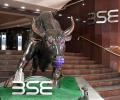
From the Sensex firms, Eternal climbed 3.32 per cent. Bharti Airtel, IndusInd Bank, Tech Mahindra, Reliance Industries, Tata Motors, HDFC Bank, Tata Steel and Hindustan Unilever were the other major gainers. However, Bajaj Finserv, Axis Bank, Tata Consultancy Services, Titan and Larsen & Toubro were among the laggards.

Equity benchmark indices Sensex and Nifty tumbled in early trade on Monday amid heightened tensions in the Middle East after the US bombed three major nuclear sites in Iran. The 30-share BSE Sensex tumbled 705.65 points to 81,702.52 in early trade. The 50-share NSE Nifty dropped 182.85 points to 24,929.55.

Tata Steel, Maruti, Tata Motors, Infosys, Bharti Airtel and Tech Mahindra were also among the laggards. However, Trent, Asian Paints, Hindustan Unilever, ITC, Kotak Mahindra Bank, and Reliance Industries were the gainers.

From the 30 Sensex firms, Tata Steel, JSW Steel, Power Grid, HDFC Bank, Tata Motors and Larsen & Toubro were the biggest gainers. Hindustan Unilever, Infosys, Bajaj Finance, Axis Bank, Kotak Mahindra Bank and UltraTech Cement were among the laggards.

From the Sensex firms, HCL Tech, Tata Steel, Tech Mahindra, Reliance Industries, Bharat Electronics and ICICI Bank were among the laggards. Bajaj Finance, Hindustan Unilever, UltraTech Cement and Power Grid were among the gainers.
From the 30 Sensex pack, Hindustan Unilever fell by nearly 6 per cent after the FMCG major reported a 2.33 per cent decline in consolidated net profit at Rs 2,595 crore for the second quarter ended in September 2024 impacted by moderation in demand from the urban market.

Among Sensex firms, Bajaj Finserv, Tata Steel, Sun Pharma, Tech Mahindra, Bajaj Finance, NTPC, Nestle, Tata Motors, Hindustan Unilever and Mahindra & Mahindra were the biggest gainers. IndusInd Bank, Kotak Mahindra Bank, Power Grid and ITC were among the laggards.
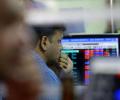
From Sensex firms, Eternal dropped the most by 4.10 per cent. Maruti, Mahindra & Mahindra, UltraTech Cement, Power Grid, Nestle, Bajaj Finance, Hindustan Unilever and Asian Paints were also among the laggards. HDFC Bank dropped by 1.26 per cent and index major Reliance Industries by 1.13 per cent. Tata Steel, Infosys and ITC were the gainers.

From the Sensex firms, Bajaj Finance, Infosys, Hindustan Unilever, ICICI Bank, HCL Tech, UltraTech Cement, Bajaj Finserv, State Bank of India, Tata Consultancy Services, Reliance Industries, Axis Bank and Larsen & Toubro were among the major gainers. However, Trent, Tata Steel, Tech Mahindra and Maruti were among the laggards.
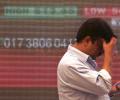
Investors' wealth eroded by Rs 5.98 lakh crore on Thursday, tracking weak trends in equities where the BSE Sensex tumbled 1 per cent. Benchmark indices Sensex and Nifty declined 1 per cent in tandem with weak global market trends amid growing tensions in the Middle East.
ICICI Bank jumped 2.76 per cent after the company posted a 15.9 per cent jump in its consolidated net profit for the June quarter to Rs 13,558 crore compared to Rs 11,696 crore in the year-ago period. HDFC Bank climbed 2.19 per cent despite the firm reporting a 1.31 per cent decline in its consolidated net profit to Rs 16,258 crore for the June 2025 quarter. Mahindra & Mahindra, Bharat Electronics, Kotak Mahindra Bank and Tata Motors were also among the gainers.
HCL Tech, State Bank of India, Infosys, Tech Mahindra, Tata Consultancy Services, Bajaj Finserv, Larsen & Toubro, Mahindra & Mahindra and Titan were also among the losers in the Sensex pack. Eternal, Hindustan Unilever, Asian Paints, ITC, Tata Motors and NTPC were among the gainers.
From the Sensex pack, Asian Paints, UltraTech Cement, Power Grid, ICICI Bank, Reliance Industries, Hindustan Unilever, Bharat Electronics and Sun Pharma were among the major gainers. In contrast, Trent, Eternal, Axis Bank and Titan were among the laggards.

As Unilever's COO, he is expected to take significant load off CEO Alan Jope, pushing growth across markets and driving go-to-market activities.

Sun Pharma, NTPC, Maruti, Bharti Airtel, Trent and Axis Bank were also among the gainers. However, Tata Motors, Power Grid, Eternal, Bajaj Finserv and Hindustan Unilever were among the laggards.

In a country where wearing lipstick could still invite disapproval, Simone Tata understood that Lakmé's future depended on shifting attitudes.

Dalal Street investors were a poorer lot on Monday as their wealth eroded sharply by Rs 14 lakh crore following a sharp decline in benchmark indices amid a global market meltdown due to recession fears. The 30-share BSE Sensex tumbled 2,226.79 points or 2.95 per cent to settle at 73,137.90. Intra-day, the benchmark slumped 3,939.68 points or 5.22 per cent to 71,425.01.

All Sensex shares, except for Hindustan Unilever, ended with losses. Tata Steel fell the most by 7.33 per cent followed by Larsen & Toubro which cracked 5.78 per cent. Tata Motors, Kotak Mahindra Bank, Mahindra & Mahindra, Infosys, Axis Bank, ICICI Bank, HCL Technologies and HDFC Bank were the other big laggards. Hindustan Unilever ended marginally higher.
Anglo-Dutch FMCG giant Unilever Plc's $ 5.4 billion open offer to increase stake in its Indian arm Hindustan Unilever Limited (HUL) to up to 75 per cent commenced on Friday.

From the Sensex pack, IndusInd Bank, Mahindra & Mahindra, UltraTech Cement, Hindustan Unilever, Sun Pharma, Tata Consultancy Services, ITC and Asian Paints were among the biggest laggards. NTPC, Zomato, Tech Mahindra, Power Grid, Kotak Mahindra Bank and HCL Tech were among the gainers.
From the Sensex firms, Tata Motors, Titan, Eternal, Power Grid, Tata Steel, Larsen & Toubro, Mahindra & Mahindra and Hindustan Unilever were among the biggest laggards. Bajaj Finserv, Asian Paints and Tech Mahindra were the gainers.

From the Sensex pack, Hindustan Unilever, Asian Paints, Bajaj Finance, Nestle, Bajaj Finserv, Reliance Industries, Larsen & Toubro, Maruti, Infosys and Bharti Airtel were the major laggards.
From the Sensex pack, UltraTech Cement, Mahindra & Mahindra, Sun Pharmaceutical, Zomato, Tech Mahindra, Tata Steel, Tata Motors, Titan, ITC and Bajaj Finance were the major gainers. In contrast, Kotak Mahindra Bank, HCL Technologies, PowerGrid, Reliance Industries, State Bank of India, Hindustan Unilever, IndusInd Bank, Nestle India and Axis Bank were among the laggards.
Benchmark equity indices Sensex and Nifty surged more than 1 per cent on Monday, registering their fifth day of rally on the back of buying in banking and IT shares after encouraging quarterly earnings and foreign fund inflows. The 30-share BSE Sensex jumped 855.30 points or 1.09 per cent to settle above the 79,000 mark at 79,408.50.
From the Sensex pack, NTPC, Tech Mahindra, Zomato, Axis Bank, Bajaj Finance, Infosys, Maruti, State Bank of India, Kotak Mahindra Bank, Reliance Industries, Hindustan Unilever, and HDFC Bank were the losers. IndusInd Bank, HCL Tech, Titan, Mahindra & Mahindra and Power Grid were the gainers.

Among Sensex firms, Tech Mahindra, HCL Tech, Eternal, Axis Bank, Maruti, Tata Steel, HDFC Bank and Asian Paints were the gainers. However, Adani Ports, Trent, Tata Motors, Hindustan Unilever and NTPC were among the laggards.
Among the 30-share Sensex blue-chip firms, NTPC, Hindustan Unilever, Tata Motors, Maruti, Larsen & Toubro, Reliance Industries, Asian Paints and State Bank of India were the biggest laggards. Bharti Airtel, IndusInd Bank, Tech Mahindra, Infosys, Adani Ports and Tata Consultancy Services were among the gainers.
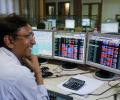
Among Sensex shares, Maruti, Mahindra & Mahindra, Larsen & Toubro, Bajaj Finance, Tata Motors, IndusInd Bank, Asian Paints, Power Grid, HDFC Bank and Axis Bank advanced. Tata Steel, Adani Ports, Zomato, HCL Tech, State Bank of India, Hindustan Unilever and Tech Mahindra were among the laggards.

Several fast-moving consumer goods (FMCG) companies have said that they would pass on the full benefit of goods and services tax (GST) rate cuts to consumers starting September 22. Dairy major Mother Dairy, on Tuesday, announced rate cuts in products spanning its portfolio-- from milkshakes to paneer and jams to frozen products under its Safal brand.

From the 30-share pack, Hindustan Unilever, Tata Motors, Axis Bank, Nestle India, Asian Paints, ITC, Reliance Industries, Mahindra & Mahindra, IndusInd Bank and State Bank of India were among the laggards. Larsen & Toubro, Tata Steel, JSW Steel, HDFC Bank, Adani Ports, Kotak Mahindra Bank, Bharti Airtel and PowerGrid were among the gainers.
From the Sensex pack, IndusInd Bank dropped over 3.50 per cent, followed by Mahindra & Mahindra which declined more than 2 per cent. HCL Tech, Maruti, Infosys, Zomato, Power Grid, Adani Ports, Tata Consultancy Services and UltraTech Cement were also among the laggards. Kotak Mahindra Bank, Hindustan Unilever, ICICI Bank, Tata Motors, Nestle and Bharti Airtel were among the gainers.
